Address
304 North Cardinal St.
Dorchester Center, MA 02124
Work Hours
Monday to Friday: 7AM - 7PM
Weekend: 10AM - 5PM
Address
304 North Cardinal St.
Dorchester Center, MA 02124
Work Hours
Monday to Friday: 7AM - 7PM
Weekend: 10AM - 5PM

Introduction
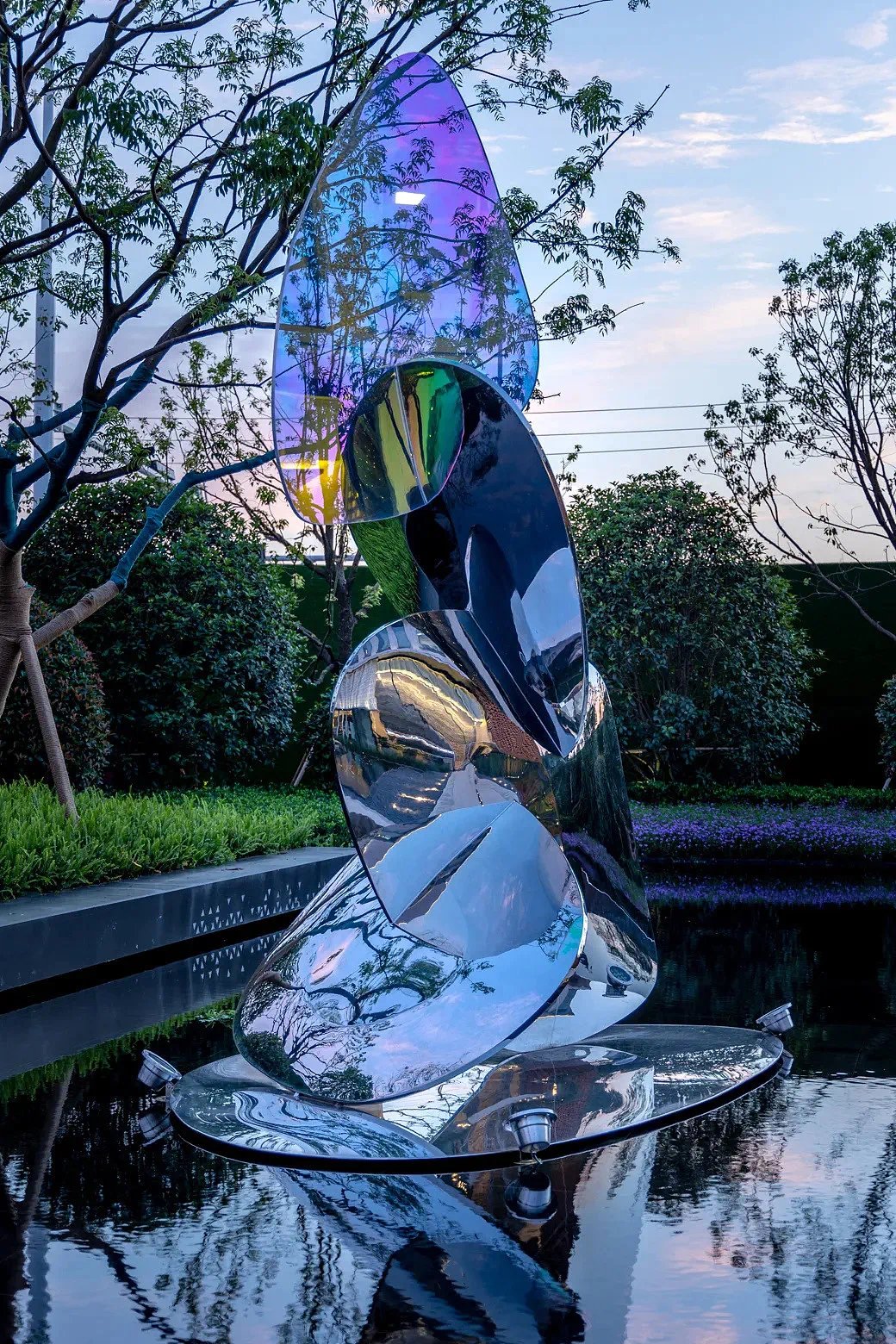
In a world where consumers are constantly bombarded with digital ads and social media posts, brands are seeking new and innovative ways to capture attention and engage their audiences. Art installations have emerged as a powerful tool for brands looking to create memorable experiences that resonate with customers on a deeper level. By transforming spaces into immersive brand activations, companies can communicate their brand story, foster emotional connections, and differentiate themselves in a crowded marketplace. This article explores how art installations can be used as brand activations to enhance consumer engagement and drive brand loyalty, particularly in B2B contexts.
The Power of Art Installations in Brand Marketing
Art installations are more than just eye-catching displays; they are immersive experiences that captivate audiences by engaging multiple senses. Unlike traditional advertisements, which are often static and passive, art installations invite active participation, making them a powerful tool for brands looking to foster a deeper emotional connection with their target audience.
For B2B brands, using art installations as part of their marketing strategy can set them apart from competitors. These installations not only attract attention but also serve as conversation starters, allowing brands to communicate their values, mission, and story in a creative and impactful way # How Art Installations Can Boost Consumer Engagement
1-Creating Memorable Brand Experiences
Art installations offer an opportunity for brands to create unforgettable experiences that stick in the minds of consumers. By transforming a space into an interactive environment, brands can evoke emotions, inspire curiosity, and encourage exploration . These incan range from large-scale sculptures to digital projections, each designed to immerse the audience in the brand’s story.
For example, a tech company might create a futuristic installation that highlights its latest innovations, allowing clients to experience the technology firsthand. This type of activation not only showcases the company’s capabilities but also leaves a lasting impression on attendees, increasing the likelihood of future engagement.
2-Building Emotional Connections Through Storytelling
Art has the unique ability to evoke emotions and tell stories that resonate with people on a personal level. By leveraging art installations, brands can create narratives that align with their values and mission, thereby fostering stronger connections with their audience .
For instancsed brand could design an installation made entirely from recycled materials, visually communicating its commitment to environmental responsibility. This approach not only engages clients visually but also aligns with their values, deepening the emotional impact.
3-Driving Social Media Engagement and Brand Awareness
One of the most significant benefits of art installations is their potential to generate social media buzz. In the age of Instagram and TikTok, visually stunning installations are perfect for encouraging user-generated content. Attendees are likely to share their experiences on social media, thereby amplifying the brand’s reach .
Brands can further enhance this egs, encouraging visitors to share their photos, and even integrating interactive elements that allow users to personalize their content. For B2B brands, this social media visibility can help attract new clients, partners, and investors by showcasing the brand’s creativity and innovation.
4-Enhancing Client Engagement at Trade Shows and Events
Trade shows and corporate events are ideal settings for art installations, as they allow brands to stand out in an environment filled with competitors. A well-designed installation can draw attendees into a brand’s booth, encouraging longer interactions and deeper conversations .
For example, a design agency could use a 3D projection showcase its portfolio, turning a standard trade show booth into an immersive experience. This not only captures the attention of potential clients but also demonstrates the agency’s creativity and technical expertise.
5-Utilizing Digital and Interactive Elements for Impact
The integration of digital technology into art installations—such as augmented reality (AR), virtual reality (VR), and interactive touch screens—can significantly enhance consumer engagement. These elements provide an added layer of interactivity, allowing visitors to participate actively rather than just observing .
For instance, a company could create an AR experience that lets users exploretual space, providing an engaging way to showcase features and benefits. This type of activation not only captures attention but also educates clients, making it an effective tool for B2B marketing.
Case Studies: Successful Brand Activations Using Art Installations
Best Practices for B2B Brands Utilizing Art Installations
Conclusion
Art installations are an innovative way for B2B brands to capture attention, engage audiences, and create lasting impressions. By transforming spaces into immersive brand experiences, companies can differentiate themselves in a crowded market and foster deeper emotional connections with their clients. Whether it’s through interactive technology, stunning visuals, or powerful storytelling, art installations offer a unique opportunity to elevate brand activations and drive meaningful engagement.
For B2B companies looking to stand out, leveraging art as a medium for brand communication is not just a trend—it’s a strategic approach to creating memorable client experiences that can lead to long-term loyalty and business growth.
#BrandActivation #ArtInstallations #B2BMarketing #ConsumerEngagement #CorporateEvents
